


Warum ist das so wichtig?
Stell dir vor, du fährst mit deinem Auto und plötzlich geht es kaputt. Was würdest du tun? Wahrscheinlich würdest du es reparieren lassen, oder? Ähnlich verhält es sich mit deinem iPhone. Bevor du es resettest, solltest du unbedingt ein Backup erstellen. Das ist wie eine Versicherung für deine Daten. Denn wenn etwas schiefgeht, kannst du deine Daten einfach wiederherstellen.

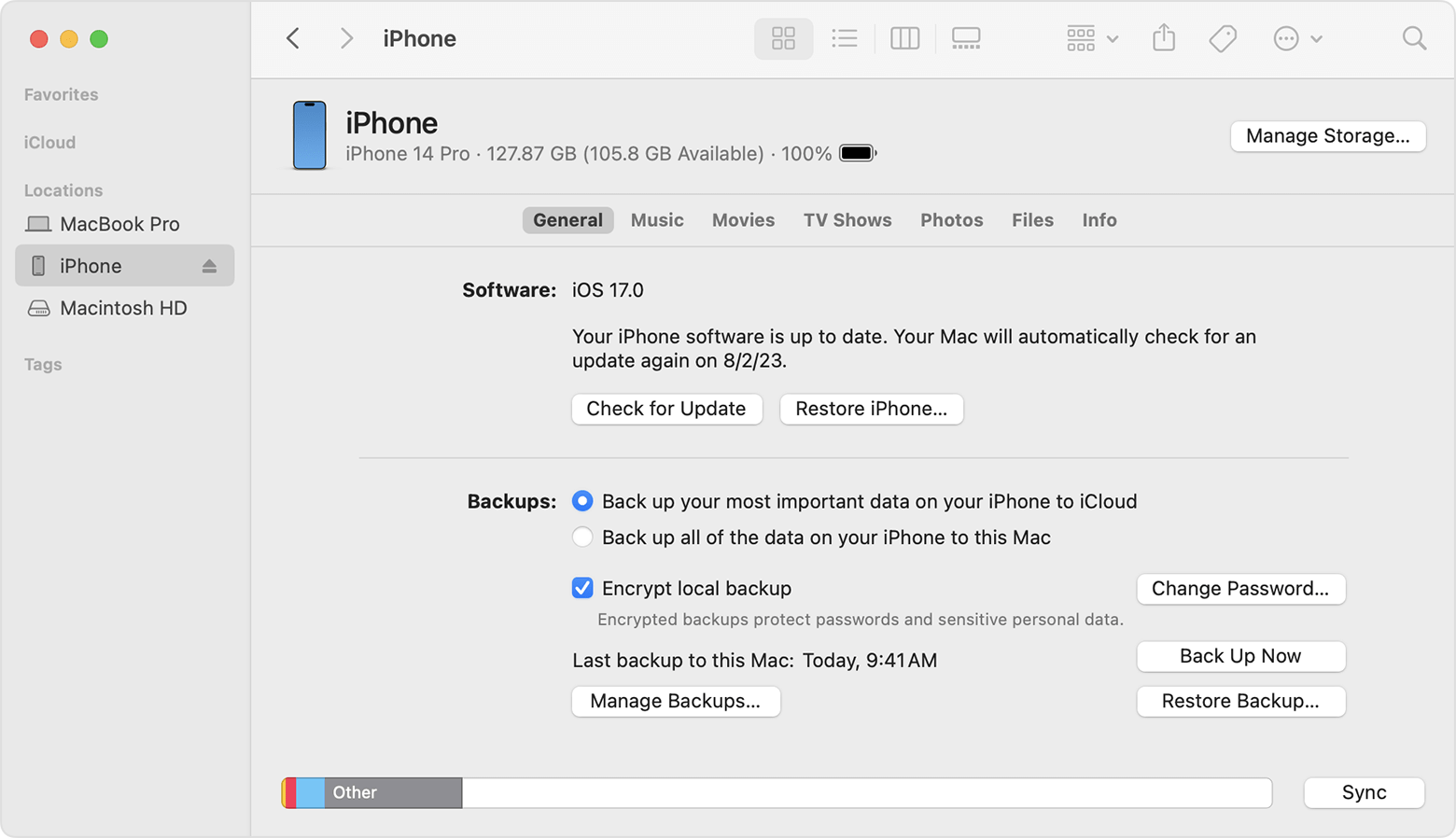
Wie funktioniert das Backup?
Es gibt zwei Hauptmethoden, um dein iPhone zu sichern: iCloud und iTunes.
iCloud Backup:
Einfach und bequem: iCloud speichert automatisch deine Daten in der Cloud. Das bedeutet, du kannst von überall auf deine Daten zugreifen.
iTunes Backup:
Manuelle Kontrolle: Mit iTunes kannst du manuell Backups erstellen. Das gibt dir mehr Kontrolle darüber, wann und wie oft du ein Backup erstellst.
Welches Backup-Methode ist die richtige für dich?
Die beste Methode für dich hängt von deinen persönlichen Bedürfnissen ab. Wenn du viel unterwegs bist und häufig auf deine Daten zugreifen möchtest, ist iCloud eine gute Wahl. Wenn du lieber die Kontrolle über deine Backups hast, ist iTunes die bessere Option.
Tipps für ein erfolgreiches Backup:
Regelmäßige Backups: Erstelle regelmäßig Backups, um sicherzustellen, dass deine Daten immer aktuell sind.
Indem du regelmäßig Backups erstellst, kannst du beruhigt sein, dass deine Daten sicher sind. So kannst du dein iPhone ohne Sorge resetten und weißt, dass du deine Daten jederzeit wiederherstellen kannst.
Imagine your iPhone as a treasure chest, filled with precious memories, important documents, and irreplaceable apps. Now, imagine a magical backup system that can safeguard this treasure, ready to restore it whenever you need. That’s precisely what iCloud Backup does.
How Does It Work?
Think of iCloud as a vast, secure cloud storage space. It’s like having a personal digital vault where you can store your iPhone’s data. When you enable iCloud Backup, your device automatically syncs your data to this cloud storage, creating a digital mirror of your iPhone. This includes everything from your photos and videos to your contacts, messages, and app data.
Why Should You Use It?
1. Peace of Mind: Knowing that your data is safely backed up in the cloud gives you peace of mind. If you ever lose your iPhone, have it stolen, or encounter a software issue, you can easily restore your data to a new device.
2. Seamless Device Transitions: Upgrading to a new iPhone? iCloud Backup makes the transition a breeze. Simply sign in with your Apple ID, and your data will be restored to your new device, as if by magic.
3. Data Protection: iCloud Backup is encrypted, ensuring that your data is protected from unauthorized access. This means that even if someone gains access to your iCloud account, they won’t be able to decipher your sensitive information.
How to Enable iCloud Backup:
1. Open Settings: Tap on the Settings app on your iPhone’s home screen.
2. Tap on Your Apple ID: This is usually at the top of the Settings menu.
3. Select iCloud: Tap on the iCloud option.
4. Toggle iCloud Backup: Ensure the iCloud Backup toggle is turned on.
5. Choose Wi-Fi Backup: It’s recommended to choose Wi-Fi backup to conserve your cellular data.
6. Manage Storage: You can manage your iCloud storage usage by tapping on “Manage Storage” and reviewing the storage used by different apps and data types.
Tips for Optimal iCloud Backup:
Regular Backups: Ensure that your iPhone is connected to Wi-Fi and plugged into power regularly to trigger automatic backups.
By following these tips and utilizing iCloud Backup, you can safeguard your iPhone’s precious data and enjoy the peace of mind that comes with knowing your information is secure.


