

1. The Notification Jungle: Understanding the Beast
Ah, Android notifications. A double-edged sword. On one hand, they keep us informed, alert, and engaged. On the other, they can be a chaotic, noisy jungle, threatening to overwhelm our senses. Let’s embark on a quest to tame this wild beast and restore peace to our digital lives.
The Anatomy of a Notification
To understand how to control notifications, we must first understand their anatomy. A typical Android notification consists of:
The App Icon: This tiny image represents the app that sent the notification.
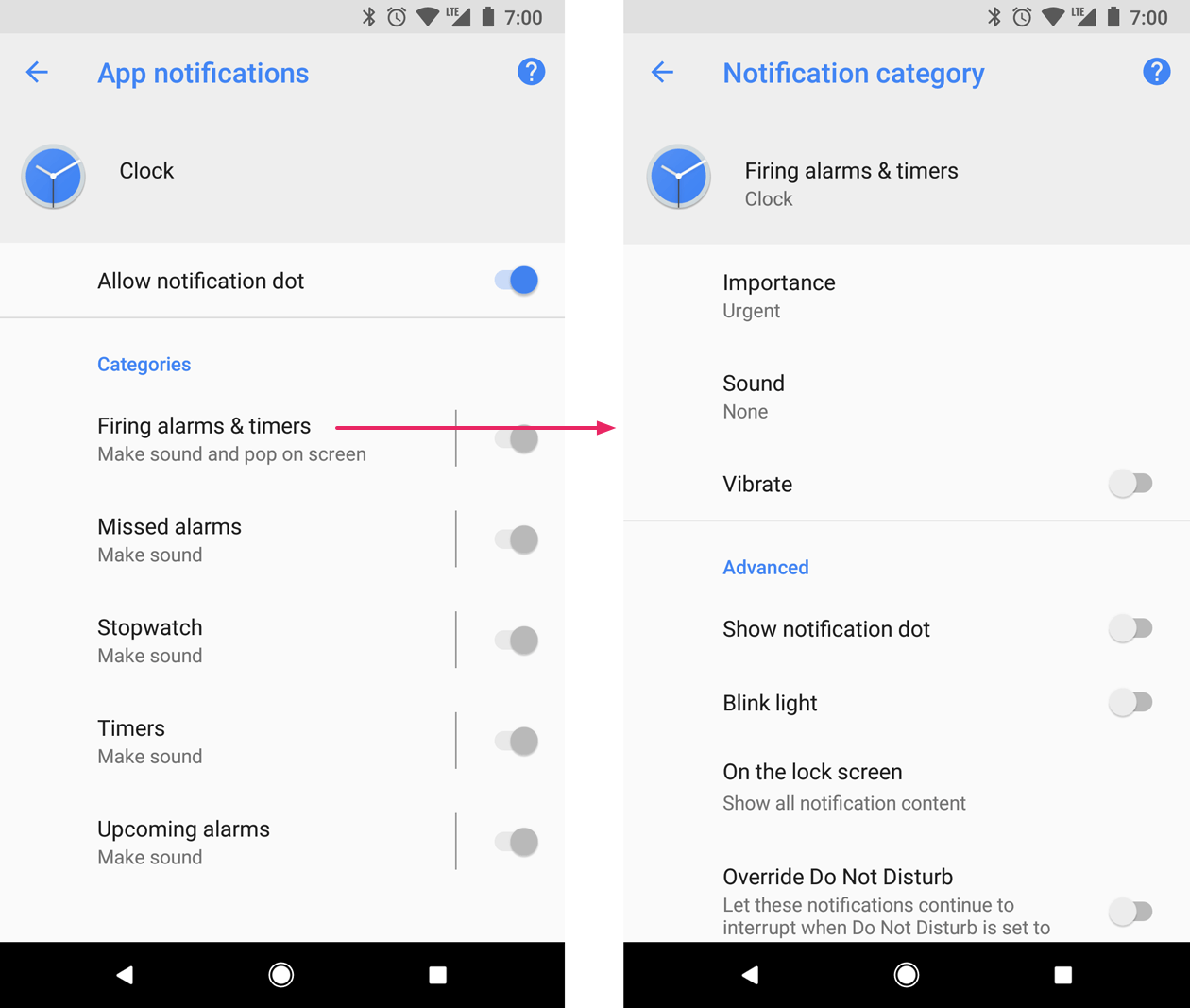
The Notification Channels: Organizing the Chaos
Android Oreo introduced a powerful feature called Notification Channels. Think of them as categories for your notifications. By organizing notifications into channels, you can tailor their behavior to your preferences. For example, you can set important notifications to vibrate and make a sound, while less urgent ones can be silenced or hidden entirely.
Taming the Notification Tiger: Practical Tips
Now that we understand the basics, let’s dive into some practical tips to tame the notification tiger:
1. The Art of Prioritization:
Identify Essential Apps: Determine which apps truly require immediate attention.
2. The Zen of Notification Channels:
Explore Channel Settings: Dive into each app’s notification settings to fine-tune channel behavior.
3. The Power of Smart Reply:
Quick Replies: Use the built-in smart reply suggestions to respond to messages swiftly.
4. The Illusion of Infinity:
Clear Notifications Regularly: Don’t let old notifications clutter your notification panel.
5. The Digital Detox:
App Timers: Set limits on the time you spend on distracting apps.
By following these tips, you can transform your chaotic notification jungle into a serene oasis. Remember, the key to mastering Android notifications is to take control and tailor them to your needs. So, let’s tame the notification tiger together and reclaim our digital peace!
Notification channels are a powerful feature introduced in Android Oreo that allows you to categorize your app’s notifications into different groups. This not only helps users to better organize their notifications but also gives you, the developer, more control over how your app’s notifications are displayed.
Why Use Notification Channels?
Improved User Experience: By categorizing notifications, you can present them in a more meaningful way. For instance, you could group important alerts into a high-priority channel and less critical updates into a low-priority one.
How to Implement Notification Channels
Here’s a basic breakdown of how to implement notification channels in your Android app:
1. Create Notification Channels:
2. Build Notifications:
3. Display Notifications:
Example Code:
java
NotificationManager notificationManager = (NotificationManager) getSystemService(Context.NOTIFICATION_SERVICE);
// Create a high-priority channel
NotificationChannel highPriorityChannel = new NotificationChannel(“high_priority_channel_id”,
“High Priority Channel”, NotificationManager.IMPORTANCE_HIGH);
highPriorityChannel.setDescription(“Important notifications”);
notificationManager.createNotificationChannel(highPriorityChannel);
// Create a low-priority channel
NotificationChannel lowPriorityChannel = new NotificationChannel(“low_priority_channel_id”,
“Low Priority Channel”, NotificationManager.IMPORTANCE_LOW);
lowPriorityChannel.setDescription(“Less important notifications”);
notificationManager.createNotificationChannel(lowPriorityChannel);
// Build a high-priority notification
NotificationCompat.Builder highPriorityNotificationBuilder = new NotificationCompat.Builder(this, “high_priority_channel_id”)
.setContentTitle(“Important Alert”)
.setContentText(“This is a critical notification”)
.setSmallIcon(R.drawable.ic_notification_important)
.setPriority(NotificationCompat.PRIORITY_HIGH);
// Build a low-priority notification
NotificationCompat.Builder lowPriorityNotificationBuilder = new NotificationCompat.Builder(this, “low_priority_channel_id”)
.setContentTitle(“New Update Available”)
.setContentText(“A new version of the app is ready to download”)
.setSmallIcon(R.drawable.ic_notification_update)
.setPriority(NotificationCompat.PRIORITY_LOW);
// Post the notifications
notificationManager.notify(1, highPriorityNotificationBuilder.build());
notificationManager.notify(2, lowPriorityNotificationBuilder.build());
Tips for Effective Notification Channel Management:
Keep It Simple: Don’t overwhelm users with too many channels. Focus on creating a few well-defined categories.
By effectively utilizing notification channels, you can create a more engaging and user-friendly app experience. So, let’s tame the notification tiger together and deliver a smoother, more delightful Android app.


