

Was ist iCloud Backup?
Icloud Backup ist wie ein unsichtbarer Schutzengel für dein iPhone. Es speichert automatisch deine Daten in der Cloud, sodass du sie jederzeit wiederherstellen kannst. Egal, ob du ein neues iPhone kaufst oder einfach nur ein Backup deiner Daten erstellen möchtest, iCloud Backup hat dich im Griff.

Wie funktioniert iCloud Backup?
Icloud Backup funktioniert im Hintergrund, während dein iPhone mit Wi-Fi verbunden ist und mit Strom versorgt wird. Es werden automatisch Backups erstellt, die deine Daten wie Fotos, Videos, Kontakte, Nachrichten, Kalender, Einstellungen und mehr enthalten.
Vorteile von iCloud Backup:
Automatisch: Du musst nichts manuell tun.
Wie richte ich iCloud Backup ein?
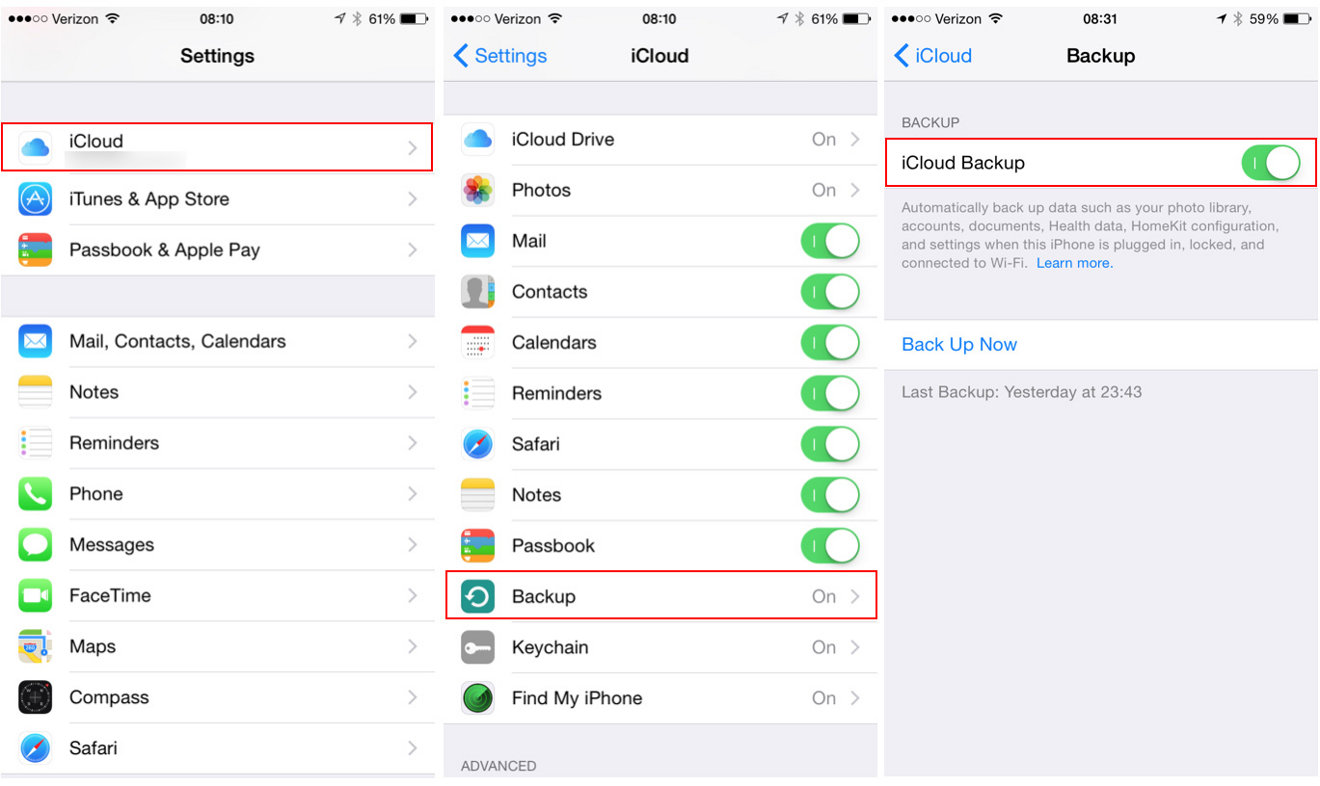
1. Gehe zu den Einstellungen: Öffne die Einstellungen-App auf deinem iPhone.
2. Tippe auf deinen Namen: Scrolle nach oben und tippe auf deinen Namen.
3. Wähle iCloud: Tippe auf “iCloud”.
4. Aktiviere iCloud Backup: Schalte den Schalter neben “iCloud Backup” um.
Wie oft wird ein Backup erstellt?
Die Häufigkeit der Backups hängt von verschiedenen Faktoren ab, wie zum Beispiel der Menge deiner Daten und der Verfügbarkeit von Wi-Fi und Strom. In der Regel werden Backups täglich erstellt, wenn dein iPhone mit Wi-Fi verbunden ist und mit Strom versorgt wird.
Wie kann ich meine Daten mit iCloud Backup wiederherstellen?
Es gibt verschiedene Möglichkeiten, deine Daten mit iCloud Backup wiederherzustellen:
Wiederherstellung auf einem neuen iPhone: Wenn du ein neues iPhone einrichtest, kannst du während des Einrichtungsprozesses aus einem iCloud-Backup wiederherstellen.
Tipps für die optimale Nutzung von iCloud Backup:
Vergewissere dich, dass du genügend iCloud-Speicherplatz hast: Du benötigst ausreichend Speicherplatz, um deine Daten zu sichern. Du kannst zusätzlichen Speicherplatz bei Apple erwerben.
Mit iCloud Backup kannst du deine wertvollen Daten sicher und einfach schützen. Verlasse dich auf diesen unsichtbaren Schutzengel, um deine Erinnerungen, Kontakte und Dateien jederzeit wiederherzustellen.
In the grand tapestry of digital life, our iPhones have become indispensable threads, weaving together our memories, contacts, and countless apps. But what happens when this delicate thread is threatened by the unpredictable nature of technology? Enter iCloud Backup, your iPhone’s digital safety net, ensuring that your precious data remains secure and accessible.
Understanding the Basics
At its core, iCloud Backup is a cloud-based service that automatically stores your iPhone’s data, including settings, messages, photos, and more. Think of it as a virtual time machine, capable of restoring your device to a previous state. By leveraging Apple’s robust cloud infrastructure, iCloud Backup offers a seamless and secure way to safeguard your digital assets.
The Benefits of iCloud Backup
1. Peace of Mind: Knowing that your data is safely stored in the cloud provides a sense of tranquility. Whether you’re facing a device malfunction, a software update gone awry, or simply upgrading to a new iPhone, iCloud Backup has your back.
2. Effortless Data Restoration: Should the need arise, restoring your iPhone from an iCloud backup is a straightforward process. With a few taps on your screen, you can bring your device back to life, complete with all your cherished data.
3. Seamless Device Transition: Upgrading to a new iPhone? iCloud Backup simplifies the transition process. By transferring your data wirelessly, you can quickly set up your new device and resume your digital journey without missing a beat.
4. Secure and Reliable: Apple prioritizes the security of your data, employing advanced encryption techniques to protect your information. With iCloud Backup, you can rest assured that your data is safeguarded from unauthorized access.
How to Set Up iCloud Backup
Setting up iCloud Backup is a simple task that can be accomplished in a few steps:
1. Connect to Wi-Fi: Ensure your iPhone is connected to a reliable Wi-Fi network.
2. Enable iCloud Backup: Go to the Settings app, tap on your Apple ID, and select “iCloud.”
3. Toggle iCloud Backup: Turn on the “iCloud Backup” toggle.
4. Choose Backup Options: Select the data you want to back up, such as Messages, Photos, and more.
5. Optimize Storage: If you’re concerned about storage space, consider optimizing your iCloud storage by enabling iCloud Photos and iCloud Music Library.
Tips for Optimal iCloud Backup
Regular Backups: To ensure that your data is always up-to-date, it’s recommended to perform regular backups. You can manually initiate a backup by going to Settings > General > iPhone Storage > Manage Storage and selecting your device.
By understanding the benefits and following the steps outlined above, you can effectively leverage iCloud Backup to safeguard your iPhone’s data. With this digital safety net in place, you can confidently navigate the ever-evolving landscape of technology, knowing that your precious memories and important information are always within reach.


